Tusks vary across elephant species and sex. African males and females typically grow tusks. Asian males may grow tusks or be tuskless; tuskless males are called makhnas. Females usually have small tushes, which may extend only a few inches beyond the lip line, rather than prominent tusks. In some populations, heavy poaching has increased the frequency of tusklessness.
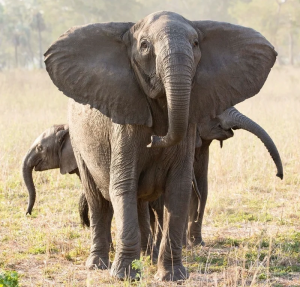
During the late 1970s and 1980s, ivory poaching wiped out roughly half of Africa’s elephant population. In Mozambique, armed groups killed elephants and sold their ivory to finance the civil war, reducing Gorongosa National Park’s population by more than 90 percent. Tusklessness was already a rare inherited trait, but poachers targeted tusked elephants, allowing tuskless females to survive and reproduce at much higher rates. A 2021 study of Gorongosa’s elephants found that this selection made tusklessness much more common among females as mothers passed the trait to their daughters. Male embryos that inherit it may not survive to birth.
In Asia, poaching has selectively removed tuskers from some populations, leaving tuskless males, makhnas, to make up a larger share of the survivors. A 1998 study at India’s Periyar Tiger Reserve documented this change in the ratio of tuskers to makhnas, although it did not identify the genetic basis of tusklessness in Asian elephants.
Because tusks support feeding, digging, and habitat modification, tusklessness may carry ecological consequences. As poaching declines, the trait could gradually become less common.
Photo: Tuskless elephant matriarch with her two calves in the Gorongosa National Park in Mozambique.