The Truth About Elephant Riding in Asia: Why It Harms Elephants
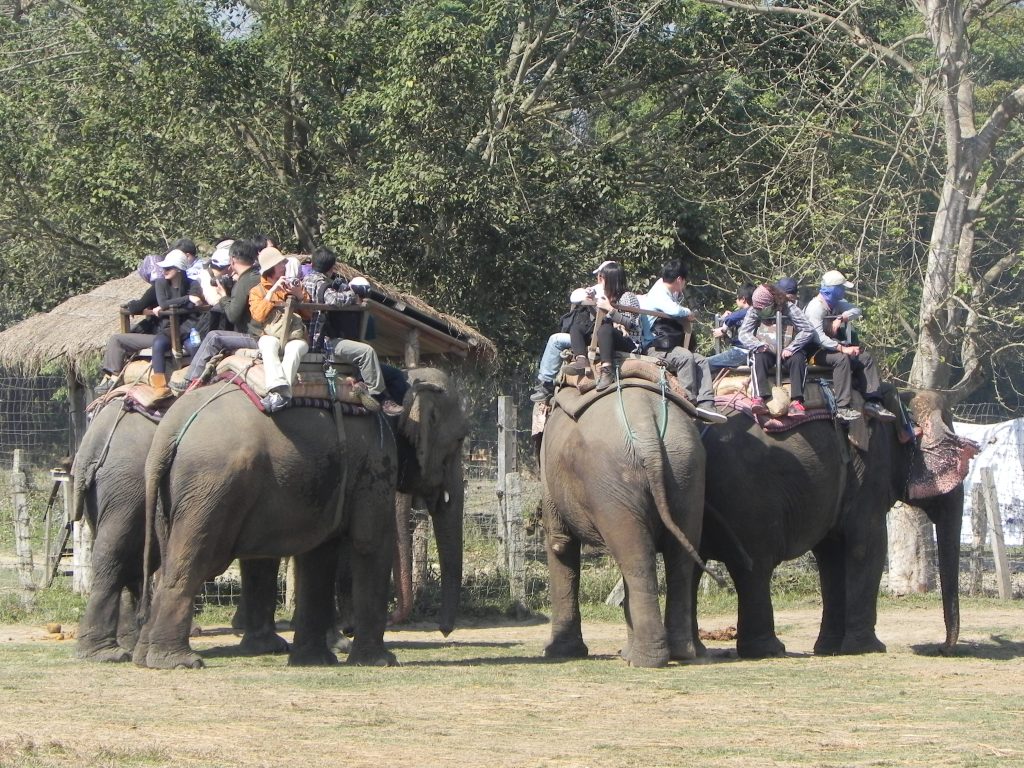
The debate over whether riding elephants is harmful has been ongoing for years. Supporters argue that elephants are massive and can easily carry the weight of a few humans, while opponents claim that riders damage an elephant’s spine. Recently, a widely shared social media post attempted to prove this point by showing three images in sequence using both Asian and African elephants.
The message was clear, but inaccurate and misleading.
Asian and African elephants have very different bone structures. Asian elephants naturally have a more convex (rounded) backbone, while African elephants naturally have a concave (swayed) backbone. The comparison in these images confuses anatomy with abuse, and for those who understand the difference, it undermines the credibility of the campaign.
Misinformation—even when well intentioned—does a disservice to elephants. To truly protect them, we must tell the truth. And the truth is: yes, riding elephants causes them harm, but not for the reasons many people assume.
The Real Harm: Training Through Domination
Elephants are not domesticated animals, even when born and raised in captivity. They remain wild at heart. In order to be used for rides, elephants must first be made obedient to human commands—a process that relies on dominance-based training.
This training uses intimidation, pain, and negative reinforcement to break the elephant’s will. The goal is not partnership, but submission. Elephants are forced to comply with commands to walk, stop, turn, and carry riders exactly as directed. Any hesitation or resistance is punished. Over time, this cycle of intimidation and correction often results in “learned helplessness”—a state in which the elephant no longer resists, not because they are content, but because they have given up.
An elephant that appears calm while carrying tourists is not displaying trust or cooperation. They are displaying defeat.
The Silent Damage of Saddles
Beyond training, the saddles themselves cause serious physical injury. Elephant saddles are designed for profit, not comfort. They maximize the number of riders, often seating multiple people at once, which concentrates weight directly on and around the spine.
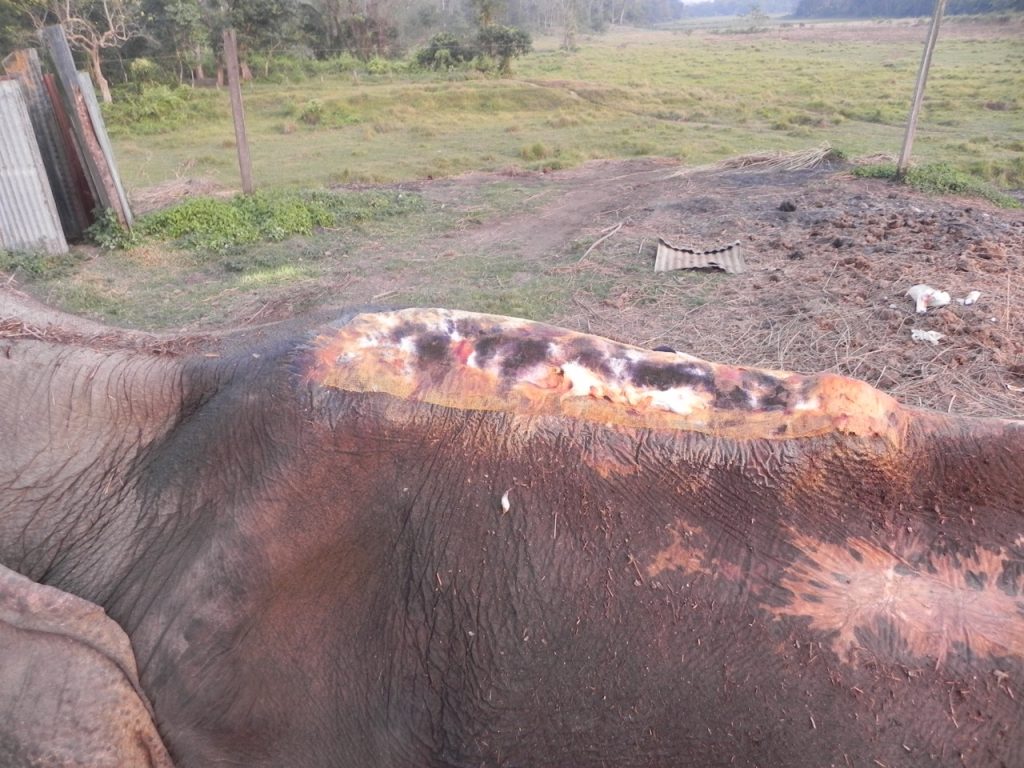
With each step, the saddle shifts and rubs against the elephant’s back, causing friction, swelling, and tissue damage. Over time, painful abscesses can form under the skin. These infections often spread along the spine, and if they penetrate the bone, they can lead to osteomyelitis—a condition extremely difficult, if not impossible, to treat in elephants.
Even when the spine itself doesn’t appear visibly deformed, the surrounding tissues may be permanently damaged, leaving the elephant in constant pain.
Compassion Through Truth
The issue is not whether an elephant’s back “breaks” under the weight of riders—it doesn’t. The issue is that riding elephants relies on cruelty: on domination that robs them of autonomy, and on saddles that leave them injured and suffering.
If we want people to make choices that truly benefit elephants, we must present the facts honestly, not with manipulative imagery. Compassion for elephants begins with truth. And the truth is simple: elephants are not here to carry us. Choosing not to ride is choosing to respect their dignity, their health, and their right to live free from harm.